12 Top Tips for Winter Camping
Winter camping brings many surprising rewards – and if you have the right kit to keep you warm and dry it can prove to be an exhilarating experience. Here are our 12 top tips for winter camping in happiness and safety.
1. Pitch Up Before Dark
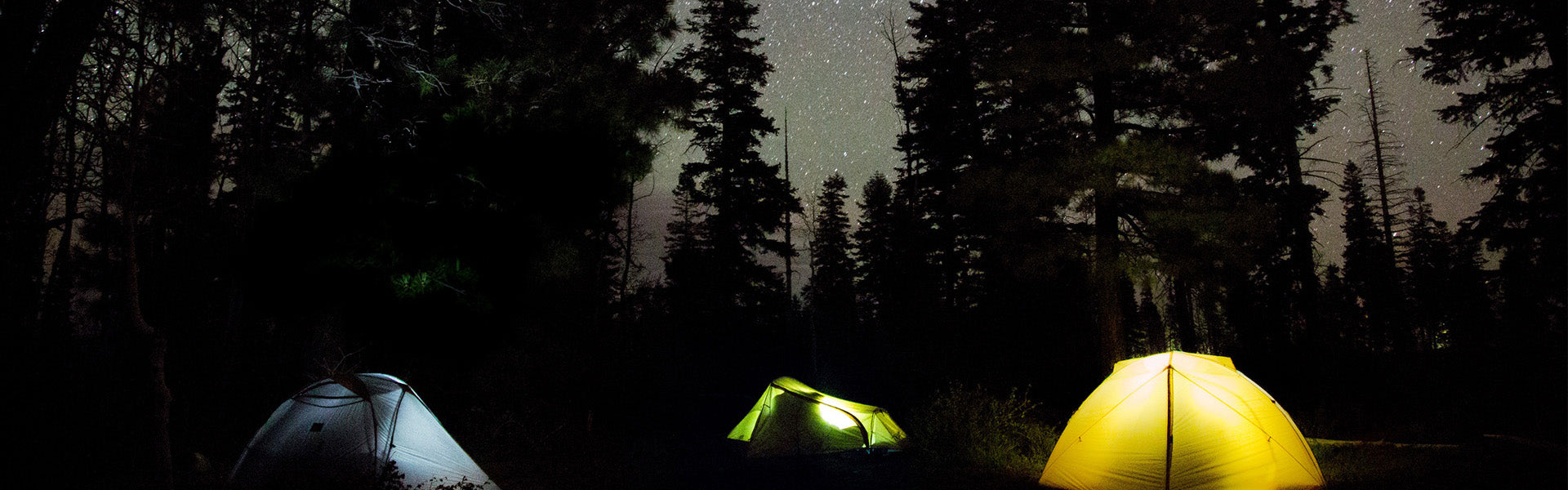
Putting up a tent or setting up a bivouac camp after dark is possible (if you have a good headtorch) but it’s far easier to do it in daylight. Remember that in winter it gets darker far earlier than summer, so the sooner you arrive at your camping spot the better.
2. Go Wild
You will find that many campsites close for the winter although Pitchup does list the campsites that are open year-round. For more exhilarating experiences try wild camping. Often, you do not need to go far from your home or mode of transport to find a quiet winter camping spot. Remember to follow the Scottish Outdoors Access Code for responsible camping and take care to camp somewhere safe from flooding and avalanches.
3. Pitch Perfect
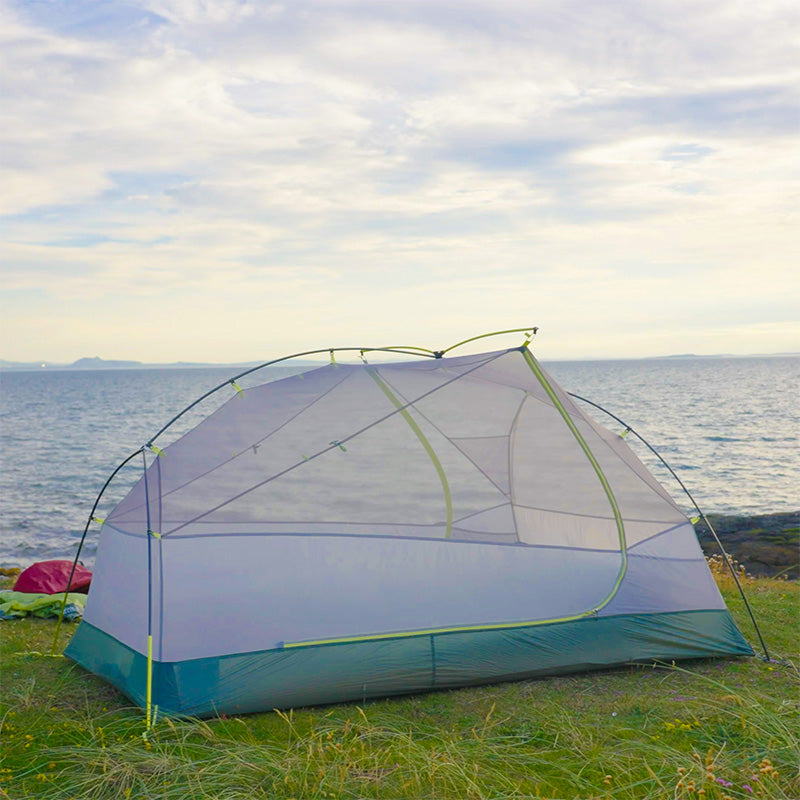
You will need a tent or bivvy bag that is highly resistant to bad weather. Look for features such as excellent waterproofing, three or four-season grading and taped seams.

|
Hilleberg Nallo 2 GT Hilleberg is a renowned name in robust tents. The tent offers great strength yet is still fairly lightweight at 2.7kg and very easy the pitch. It also has a useful pitching extended porch. |
 |
Vango Nexus UL 2 A pinnacle of lightweight design and superior functionality in the realm of 2-person tents, the Nexus UL 2 offers a hardy Powerlite pole design that stands up to high winds and ample living and storage space. |

4. Bag a Lot of Warmth
You want a sleeping bag that is designed for below freezing conditions. It could be down filled or synthetic insulation but read what it says on the label. If you are carrying the bag a fair distance you might want it to be lighter weight but you don’t want to compromise weight for warmth. Add a hot water bottle to your rucksack and fill with hot water from a stove before you retire for the night.

|
Sea to Summit Boab Synthetic -9 Sleeping Bag Built with comfort and efficiency, the Boab Sleeping Bag is set to withstand temperatures as low as -9°C with lofted synthetic insulation and a tapered design. |
 |
Rab Ascent 900 Sleeping Bag Durable, lightweight and water resistant, the Ascent 900 is wide and tall to provide warmth and comfort for users of a range of heights and sizes and filled with European duck down for enhanced warmth. |
5. Ground Warmer
The ground is colder in winter so you need some kind of thermal insulation between you in your sleeping bag and the tent groundsheet. Inflatable mattresses work best, but there are other options such as lighter weight foam mats, or campbeds to keep you off the ground.
6. More Layers
Wear warm clothes, such as thermal baselayers (top and bottom), an insulated jacket and socks for sleeping in and take an extra fleece blanket just in case.
7. Use Your Head
A beanie hat will do a lot to keep you warm at night. And if your sleeping bag has a hood make sure you use it.
8. Shoes Inside (For Once!)
On most occasions, campers will keep their footwear in the porch outside the main part of the tent. But in winter this can mean you will end up with frozen shoes come the morning. So keep your footwear inside the tent. If the shoes are mucky, pop them in a spare plastic bag.

9. Feel Some Freedom
There is no point in wearing so many layers that you have to squeeze into your sleeping bag. Being too constricted can lead to poor circulation.
10. Vent the Tent
It might be a little cooler ventilating the tent overnight, but this will be much better than the wet caused by condensation.
11. Listen to Your Body
Take note of the signals that your body gives you. If toes or hands are colder than you think they should be, try to find a way to warm them up, even if this means refilling a hot water bottle in the middle of the night.
12. Essential Stove
A stove and water for boiling, as well as lightweight food supplies such as comforting hot chocolate or porridge oats, can make a huge difference to an overnight camp in winter. Choose a stove that can cope with winter weather, so one that has a windshield is vital. Or take a separate windshield. Light a campfire, too, if it's safe to do so.
Think you've got all these tips committed to memory? Start planning your next winter camping adventure and get all the kit you need with our range of camping equipment here.